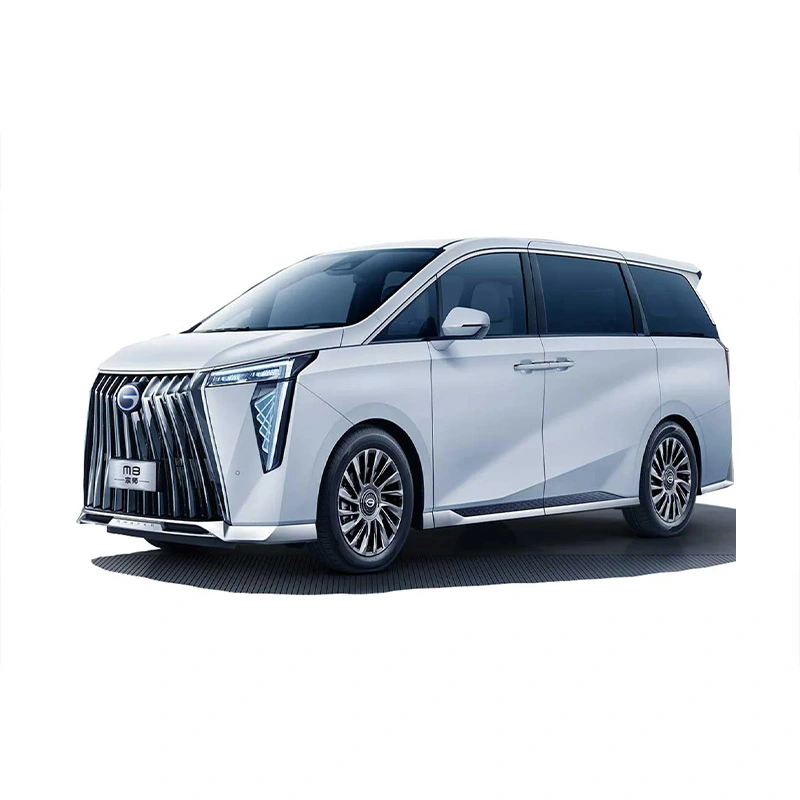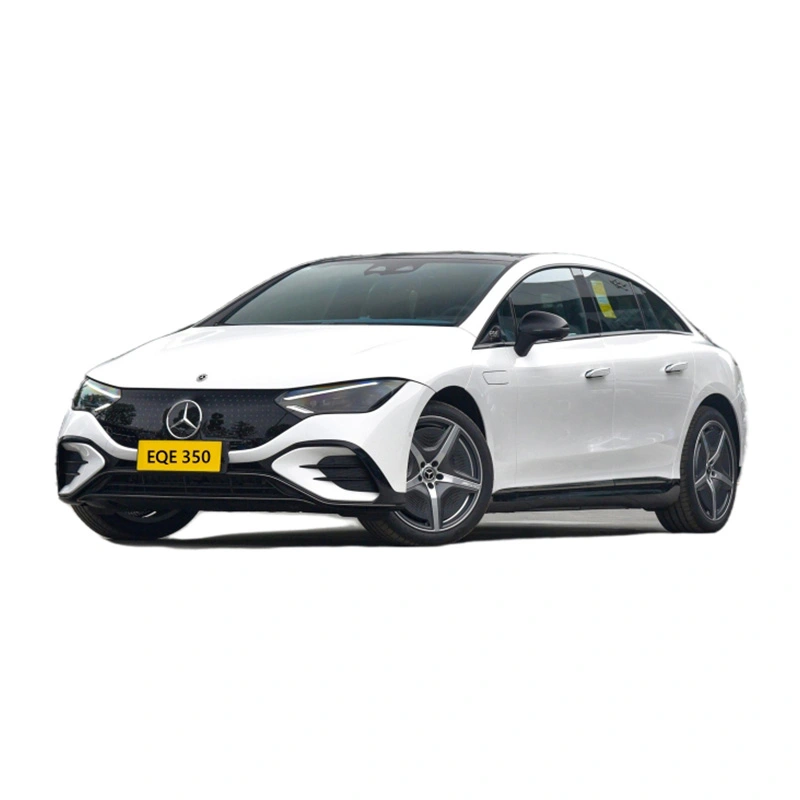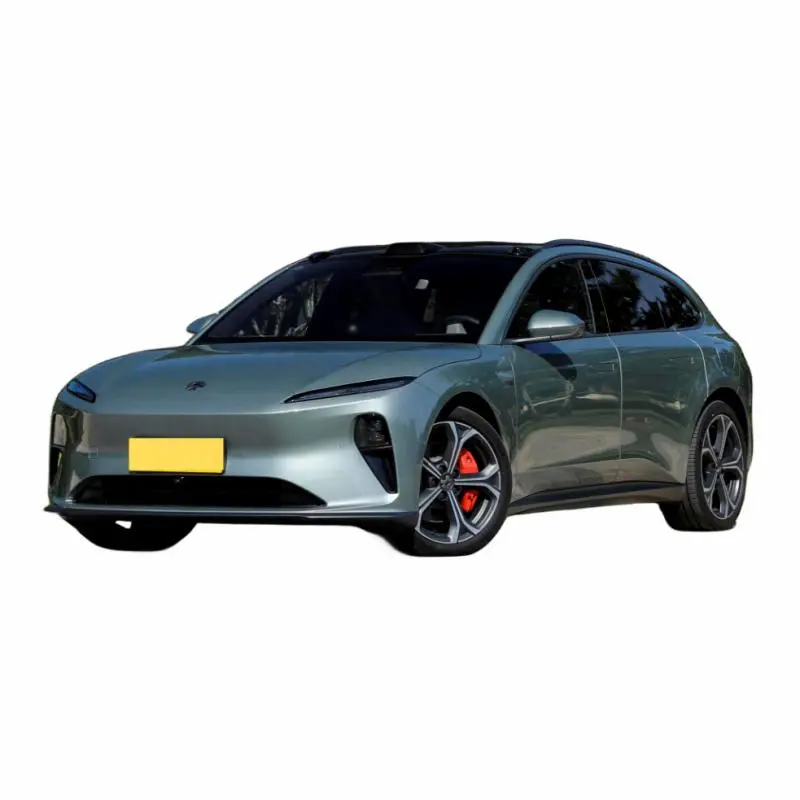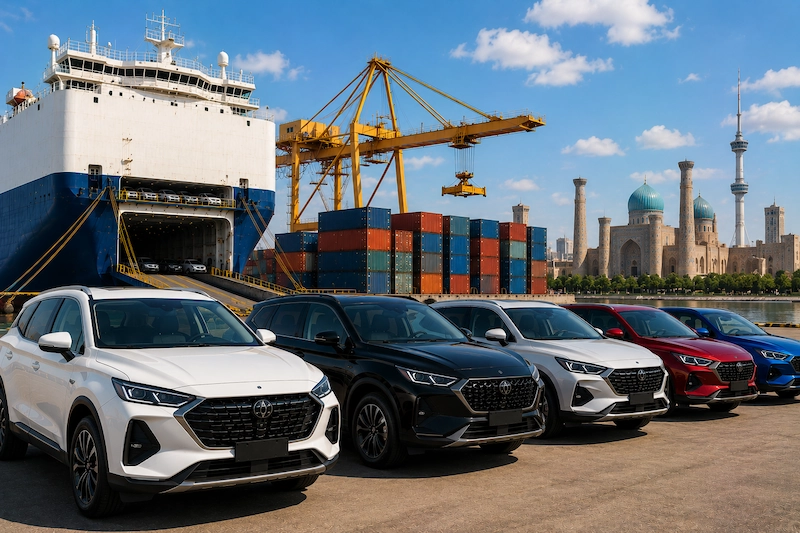
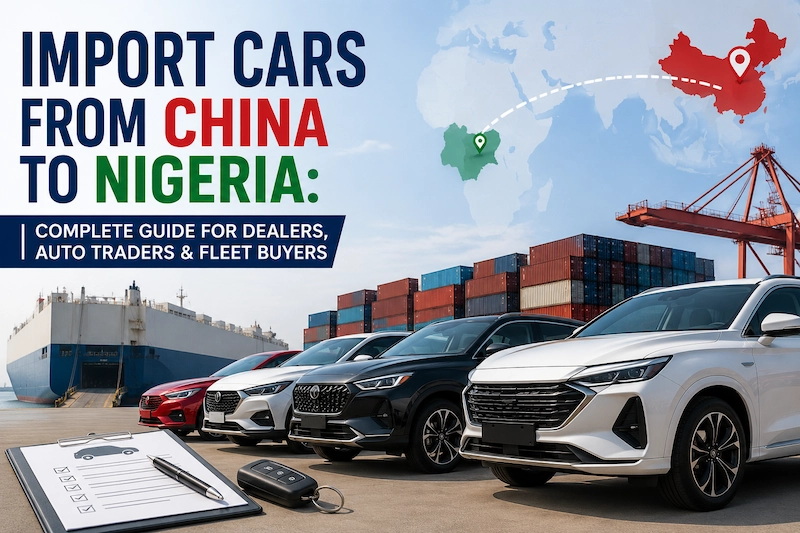
Nigeria is one of Africa’s largest automotive markets and a key destination for Chinese vehicle exports. With a rapidly growing population, increasing urbanization, expanding logistics sectors, and rising demand for affordable transportation, more Nigerian dealers and buyers are sourcing vehicles directly from China.
Chinese automakers have significantly improved vehicle quality, durability, safety, and technology over the past decade. Today, many Chinese brands compete successfully against traditional Japanese, Korean, and European manufacturers while offering highly competitive pricing and modern features.
Whether you are an auto dealer in Lagos, a fleet operator in Abuja, a logistics company in Port Harcourt, or an individual buyer seeking value for money, importing cars from China can provide substantial commercial advantages.
Several market factors are driving the growth of Chinese vehicle imports into Nigeria.
Competitive vehicle prices
Wide range of SUVs and commercial vehicles
Improved product quality and reliability
Modern safety technologies
Strong availability of spare parts
Growing acceptance of Chinese automotive brands
Higher profit margins for dealerships
For many importers, Chinese vehicles offer a better balance between purchase cost and equipment level compared to traditional alternatives.
| Brand | Popular Models | Category |
|---|---|---|
| Chery | Tiggo 4 Pro, Tiggo 7 Pro | SUV |
| Geely | Coolray, Emgrand | SUV & Sedan |
| Jetour | X70 Plus, Dashing | SUV |
| GAC | GS3, GS8 | SUV |
| JAC | T8 Pickup, Sunray Van | Commercial Vehicle |
| Great Wall Motors | Poer Pickup | Pickup Truck |
| BYD | Song Plus, Seal | EV & Hybrid |
Nigeria's road conditions, fuel costs, commercial transportation needs, and family usage patterns influence vehicle demand.
The most popular categories include:
Compact SUVs
Mid-size SUVs
Pickup trucks
Commercial vans
Fuel-efficient sedans
Fleet vehicles
Vehicles with strong suspension systems, higher ground clearance, and low maintenance costs generally perform well in the Nigerian market.
Yes. Depending on current import regulations and customs requirements, both new and used vehicles may be imported from China.
Common sourcing categories include:
Brand-new vehicles
Dealer inventory vehicles
Nearly new vehicles
Commercial vehicles
Construction and utility vehicles
Importers should always verify the latest customs procedures and compliance requirements before purchase.
Choose the desired brand, model, specifications, quantity, and configuration.
Agree on pricing, payment methods, shipping arrangements, and delivery terms.
Many professional exporters offer pre-shipment inspections to verify vehicle condition.
Required documents generally include:
Commercial Invoice
Packing List
Certificate of Origin
Bill of Lading
Export Declaration
The vehicle is shipped from China to Nigeria through container or RoRo services.
Upon arrival, customs clearance procedures are completed before registration and delivery.
| Factor | RoRo Shipping | Container Shipping |
|---|---|---|
| Cost | Lower | Higher |
| Security | Good | Excellent |
| Bulk Shipments | Excellent | Good |
| Luxury Vehicles | Suitable | Recommended |
| Loading Flexibility | Limited | High |
RoRo shipping is often preferred for standard vehicle exports, while containers are commonly used for premium or high-value vehicles.
Total import costs typically include:
Vehicle purchase price
Domestic transportation in China
Export documentation fees
Ocean freight charges
Marine insurance
Customs duties
Port handling charges
Terminal fees
Registration expenses
Professional importers focus on total landed cost calculations to accurately evaluate profitability.
| Business Type | Recommended Vehicle Category |
|---|---|
| Auto Dealers | Compact & Mid-Size SUVs |
| Corporate Fleets | Sedans & Crossovers |
| Logistics Companies | Commercial Vans |
| Construction Firms | Pickup Trucks |
| Ride-Hailing Operators | Fuel-Efficient Sedans |
SUVs and pickup trucks continue to generate strong demand across many regions of Nigeria.
Electric vehicles remain an emerging segment in Nigeria. While interest is increasing, infrastructure development varies by region.
Potential buyers should evaluate:
Charging station availability
Battery warranty support
Electricity reliability
Maintenance capabilities
Parts availability
For urban fleet operations and corporate use, EVs may provide long-term operating cost advantages.
The cheapest vehicle is not always the most profitable option over its lifecycle.
Reliable parts supply is critical for customer satisfaction and long-term vehicle operation.
Always verify exporter credentials and vehicle sourcing capabilities.
Unexpected customs and logistics expenses can significantly affect profitability.
An experienced exporter should offer:
Multi-brand sourcing services
Vehicle inspections
Export documentation support
Shipping coordination
After-sales assistance
Fleet procurement expertise
Transparent pricing
A professional export partner helps reduce risks while improving procurement efficiency.
Yes. Many Nigerian dealerships and fleet operators import new vehicles directly from China.
Chery, Geely, Jetour, GAC, JAC, Great Wall Motors, and BYD are among the fastest-growing brands.
RoRo shipping is often the most cost-effective solution for standard vehicle shipments when available.
Many dealers achieve higher margins through direct sourcing, particularly when purchasing multiple vehicles.
Nigeria remains one of Africa's most attractive automotive markets for Chinese vehicle exports. Strong demand for SUVs, pickup trucks, commercial vehicles, and affordable passenger cars continues to create opportunities for dealerships, distributors, fleet operators, and private buyers. By understanding import procedures, calculating total landed costs, and partnering with a reliable Chinese exporter, Nigerian importers can gain access to competitive products while maximizing long-term business value.
NEXT
 1113, No. 19, Dapingzheng Street, Daping Street, Yuzhong District, Chongqing, China
  sensuaa@outlook.com
 +8619196383097
 English
 한국어
한국어 français
 Español
 русский
 português
 العربية
 tiếng việt
 ไทย
ไทย Suomi
Suomi