Japanese automakers maintain a substantial manufacturing presence in China, the world's largest automotive market. This extensive involvement represents a deliberate strategy to address local consumer preferences, capitalize on China's robust production infrastructure, and enhance competitiveness in the region.
Toyota, one of the world's foremost automakers, has significantly broadened its manufacturing operations in China via joint ventures established since the early 2000s. Popular models such as the Corolla and RAV4 are assembled at these Chinese facilities, supporting the brand's strong performance in the market. Recent data indicates that Toyota achieved slightly over 1.78 million vehicle deliveries in China during 2025, marking a modest increase compared to the prior year amid a highly competitive landscape.
Honda maintains production through two key joint ventures in China: Dongfeng Honda and GAC Honda. These partnerships handle the assembly of well-known models including the Civic, CR-V, and Accord, tailored for Chinese buyers. However, the brand has faced ongoing challenges, with sales declining notably in recent years—for instance, deliveries fell sharply by around 24% in 2025, reaching approximately 645,000 units.
Since forming its alliance with Dongfeng in 2003, Nissan has developed a longstanding commitment to local manufacturing in China. Models such as the Sylphy and Qashqai, produced domestically, continue to drive much of the brand's appeal. Despite persistent market pressures, Nissan recorded roughly 653,000 to 696,000 vehicle sales in China in 2025, reflecting a continued but moderated decline from previous levels.
Mazda collaborates closely with ChangAn Automobile through their joint venture, ChangAn Mazda, to produce vehicles specifically for the Chinese market. Among the key models assembled locally are the Mazda3 (often referred to as Axela in some contexts) and CX-5, underscoring Mazda's dedication to meeting regional demands through on-site production.
Overall, major Japanese brands—including Toyota, Honda, Nissan, and Mazda—have built a robust manufacturing footprint in China. This approach enables them to better satisfy local customer needs, achieve cost efficiencies, and adapt swiftly to evolving market dynamics. Through sustained investments and the rollout of updated models, particularly in areas like electrified and intelligent vehicles, these companies remain well-positioned to sustain their influence in one of the most dynamic automotive markets globally.
 1113, No. 19, Dapingzheng Street, Daping Street, Yuzhong District, Chongqing, China
  sensuaa@outlook.com
 +8619196383097
 English
 한국어
한국어 français
 Español
 русский
 português
 العربية
 tiếng việt
 ไทย
ไทย Suomi
Suomi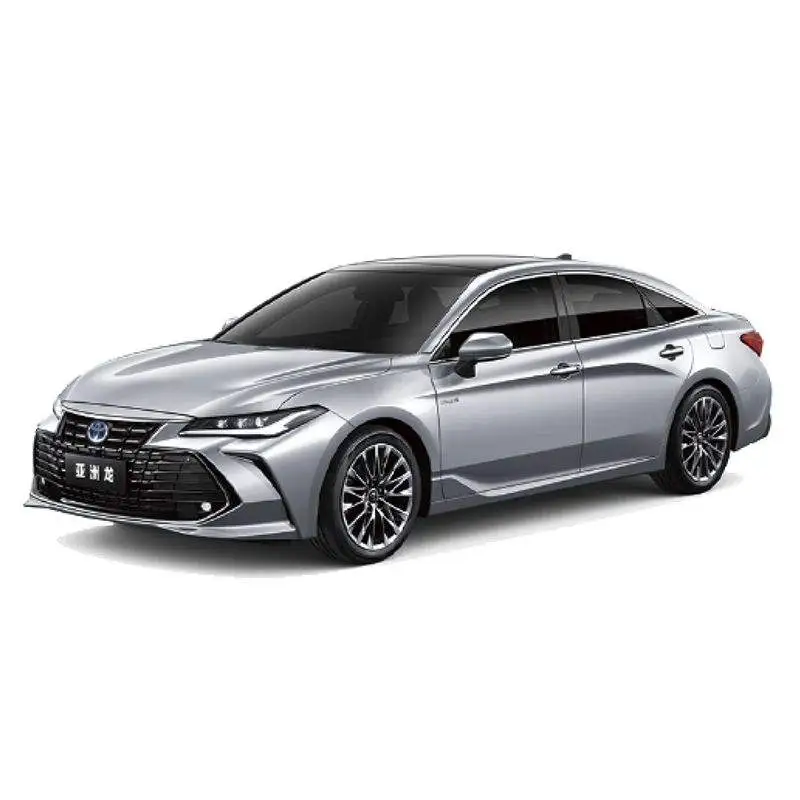
.webp "Toyota Hilux Vigo Bumper 2006-2014")