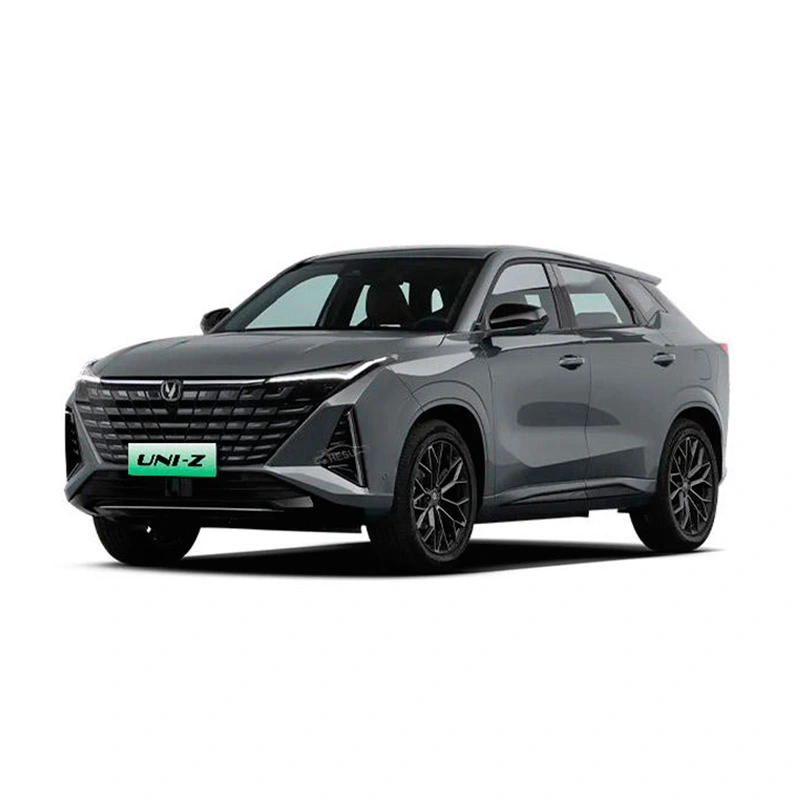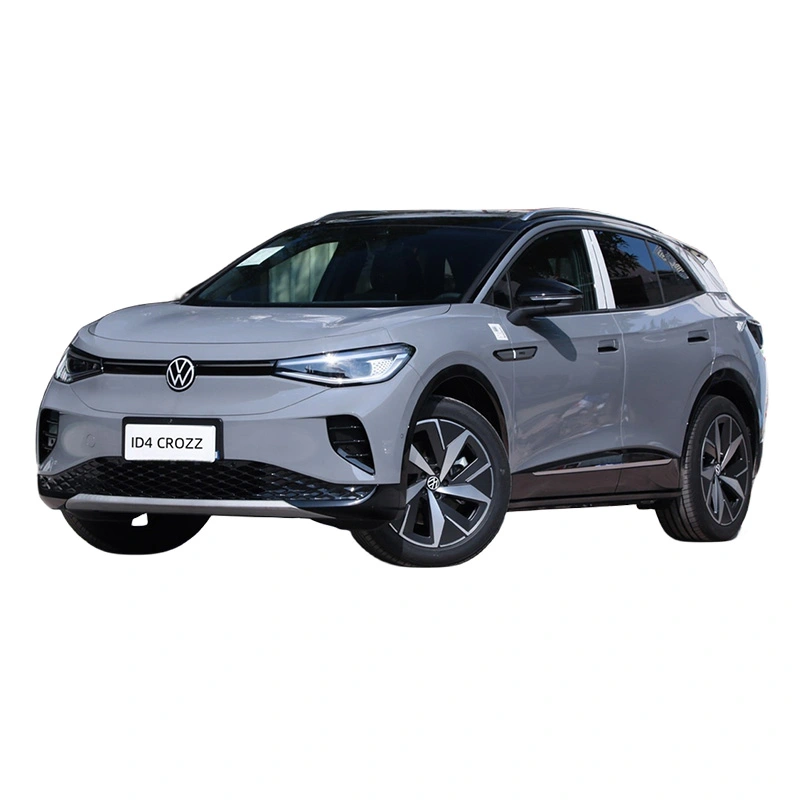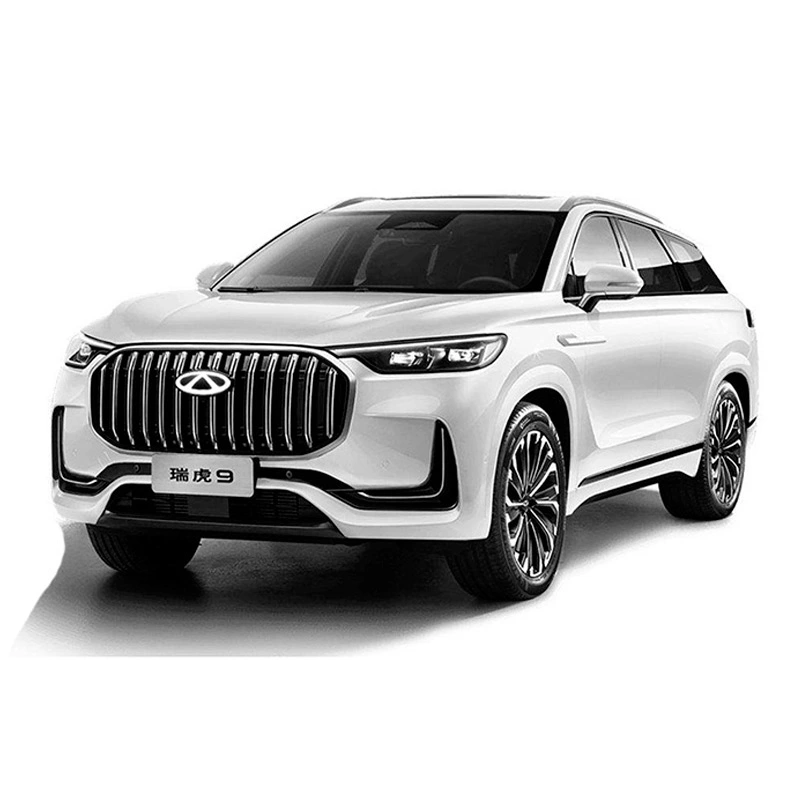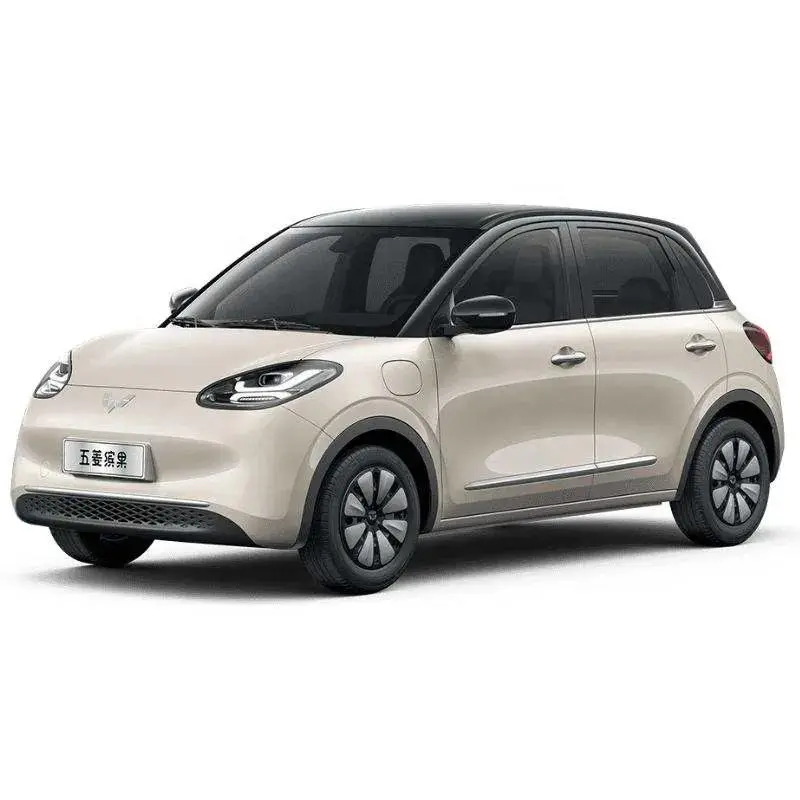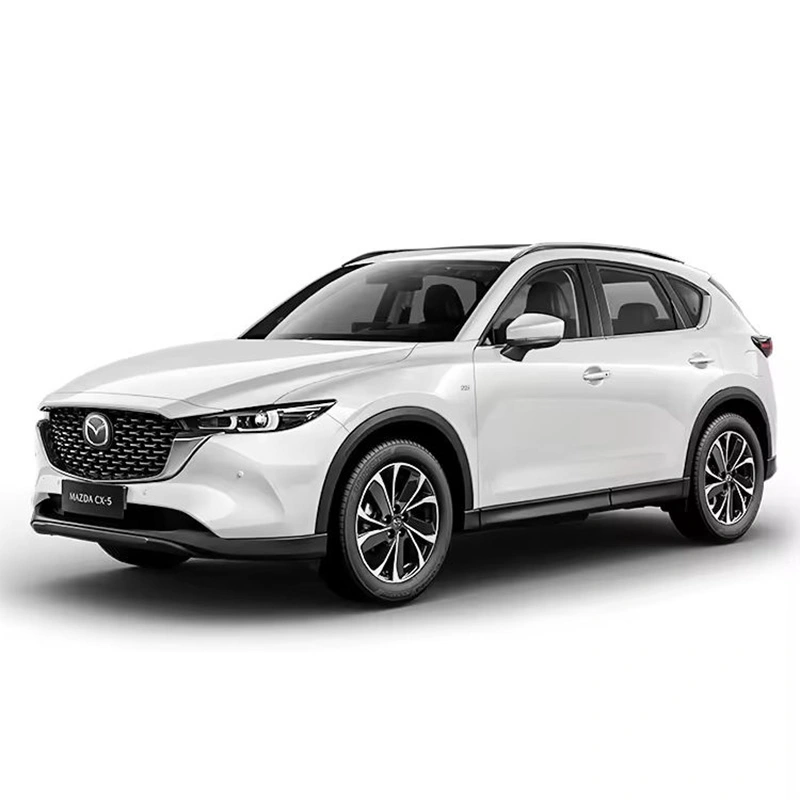
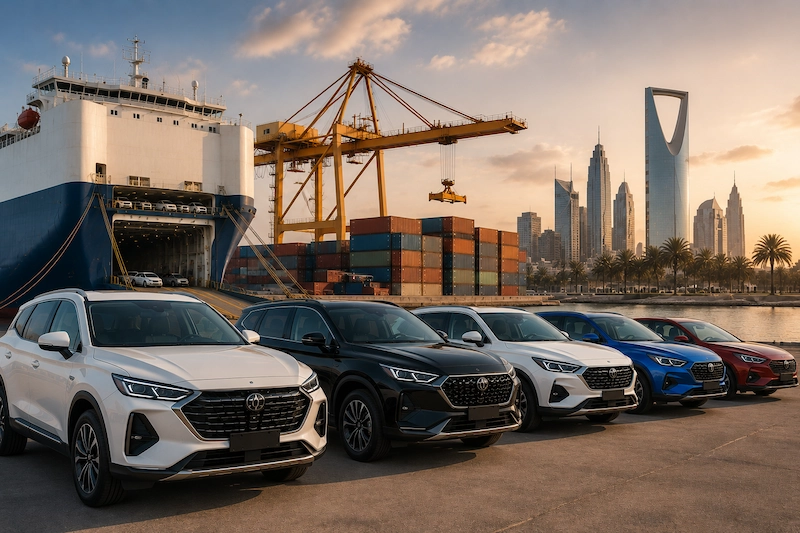
Saudi Arabia has rapidly emerged as one of the most important export destinations for Chinese vehicles. Driven by economic diversification, growing consumer demand, and increasing acceptance of Chinese automotive brands, the Kingdom offers significant opportunities for importers, dealerships, rental companies, and fleet operators sourcing vehicles from China.
Chinese manufacturers now compete directly with Japanese, Korean, and European brands across multiple segments, including SUVs, sedans, pickup trucks, electric vehicles (EVs), and hybrid models. For Saudi buyers seeking competitive pricing and modern technology, importing cars from China has become an increasingly attractive solution.
The Saudi automotive market has undergone substantial transformation in recent years. Chinese automakers have invested heavily in product quality, safety systems, and advanced vehicle technologies, making them highly competitive in the region.
Key advantages include:
Lower purchase costs compared to many global brands
Wide availability of SUVs suitable for Saudi road conditions
Growing range of electric and hybrid vehicles
Modern safety and driver-assistance technologies
Strong warranty support from many manufacturers
Rapid production and export capabilities
For commercial buyers and dealerships, Chinese vehicles often deliver a stronger value-to-feature ratio than competing alternatives.
| Brand | Popular Models | Vehicle Segment |
|---|---|---|
| BYD | Seal, Song Plus, Qin Plus | EV & Hybrid |
| Geely | Coolray, Monjaro, Emgrand | SUV & Sedan |
| Jetour | T2, X70 Plus, Dashing | SUV |
| Changan | CS75 Plus, UNI-K, Alsvin | SUV & Sedan |
| Haval | H6, Jolion, Tank Series | SUV |
| GAC | GS8, EMKOO, Aion Series | SUV & EV |
| Hongqi | H5, H9, HS5 | Premium Vehicles |
Yes. Many Chinese manufacturers now produce vehicles specifically designed for hot-weather export markets.
Features commonly found in GCC-oriented models include:
Enhanced air conditioning systems
High-temperature cooling packages
Heavy-duty radiators
UV-resistant interior materials
Heat-resistant battery management systems for EVs
Dust protection systems
When sourcing vehicles, buyers should confirm whether the model is built according to GCC specifications or international export specifications.
Saudi regulations may vary depending on vehicle age, category, and intended use. Most commercial importers focus on:
Brand-new vehicles
Dealer inventory vehicles
Zero-kilometer export stock
Electric vehicles
Hybrid vehicles
Before purchasing, importers should verify current customs regulations, vehicle eligibility requirements, and registration procedures.
Select the desired vehicle model, specifications, trim level, and quantity.
Many professional exporters provide pre-shipment inspection services to verify condition and specifications.
Typical export documents include:
Commercial Invoice
Packing List
Certificate of Origin
Bill of Lading
Export Customs Declaration
The vehicle is shipped from a Chinese export port to Saudi Arabia.
Import duties, taxes, and customs procedures are completed upon arrival.
The vehicle undergoes registration according to local regulations.
| Factor | RoRo Shipping | Container Shipping |
|---|---|---|
| Freight Cost | Lower | Higher |
| Vehicle Protection | Good | Excellent |
| Luxury Vehicles | Acceptable | Recommended |
| Fleet Orders | Excellent | Good |
| Loading Flexibility | Limited | High |
RoRo shipping is often preferred for standard vehicle exports due to its cost efficiency, while containers are commonly chosen for premium vehicles and specialized shipments.
The total landed cost includes several components:
Vehicle purchase price
Export handling fees
Domestic transportation in China
Ocean freight charges
Marine insurance
Customs duties
VAT and taxes
Port handling fees
Registration expenses
Importers should evaluate the complete landed cost rather than focusing solely on the vehicle's factory price.
Saudi Arabia's investment in sustainable transportation is creating growing demand for electric vehicles.
Popular Chinese EV exports include:
BYD Seal
BYD Song Plus EV
Zeekr 001
Zeekr X
Aion Y
NIO Models
Before importing EVs, buyers should evaluate:
Charging infrastructure availability
Battery warranty coverage
Spare parts support
Technical service network
Software update capabilities
For dealerships and fleet operators, the following categories often provide the strongest return on investment:
| Application | Recommended Vehicle Type |
|---|---|
Taxi Fleets | Hybrid Sedans |
| Corporate Fleets | Mid-Size SUVs |
| Rental Companies | Compact SUVs |
| Family Buyers | 7-Seat SUVs |
| Luxury Buyers | Premium Sedans & EVs |
Extremely low quotations can sometimes indicate specification differences or limited after-sales support.
Long-term maintenance costs can significantly impact vehicle profitability.
Automotive exports require specialized documentation and logistics expertise.
Always verify trim levels, battery specifications, engine configurations, and optional equipment.
A professional exporter should provide:
Vehicle sourcing services
Competitive procurement channels
Pre-shipment inspection
Export documentation support
Shipping coordination
After-sales assistance
Multi-brand sourcing capability
Working with an experienced exporter can reduce procurement risks while improving supply chain efficiency.
Yes. Chinese EVs are becoming increasingly popular throughout Saudi Arabia due to their advanced technology and competitive pricing.
BYD, Geely, Changan, Jetour, Haval, GAC, Hongqi, and Chery are among the fastest-growing brands.
Transit times vary according to departure port, shipping method, and destination port.
For many dealerships and fleet buyers, direct importing can provide substantial cost advantages and greater vehicle selection.
Saudi Arabia represents one of the most promising markets for Chinese vehicle exports. Growing acceptance of Chinese brands, increasing demand for advanced technology, and competitive pricing create strong opportunities for dealers, fleet operators, rental companies, and individual buyers. By selecting the right vehicles, understanding import procedures, and partnering with an experienced exporter, Saudi importers can maximize profitability while gaining access to some of the fastest-evolving automotive products in the global market.
 1113, No. 19, Dapingzheng Street, Daping Street, Yuzhong District, Chongqing, China
  sensuaa@outlook.com
 +8619196383097
 English
 한국어
한국어 français
 Español
 русский
 português
 العربية
 tiếng việt
 ไทย
ไทย Suomi
Suomi