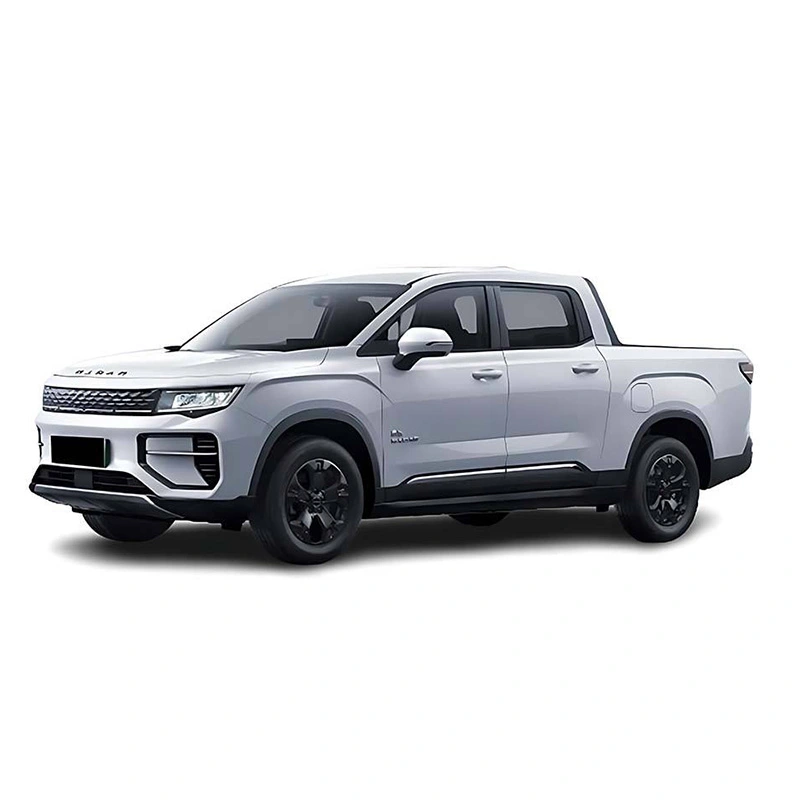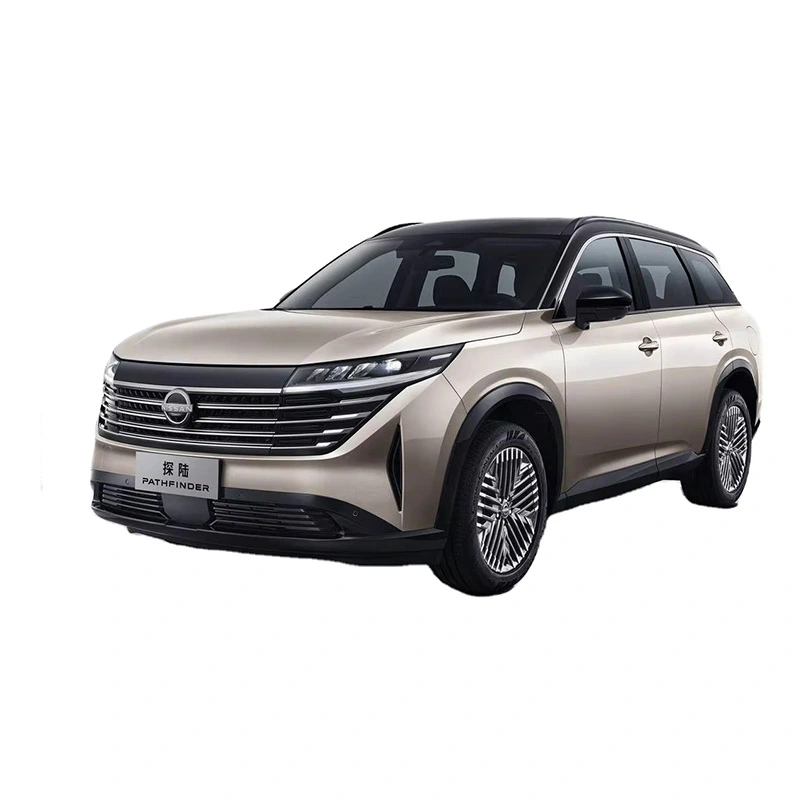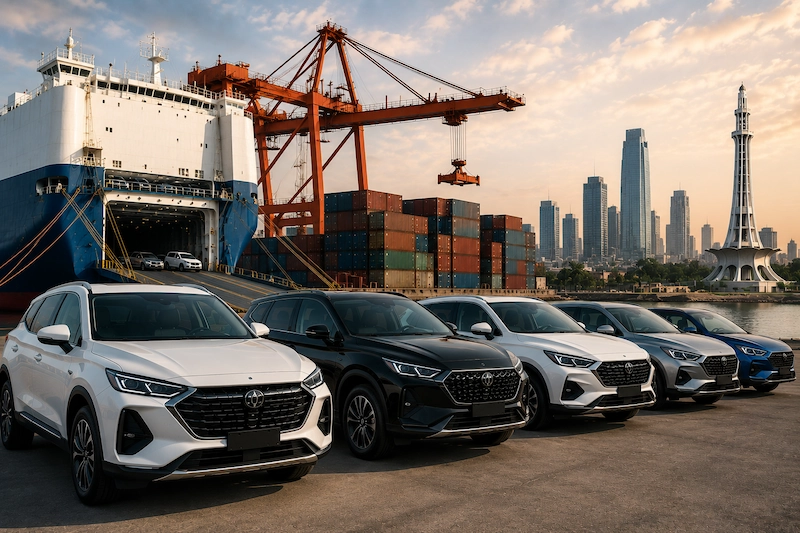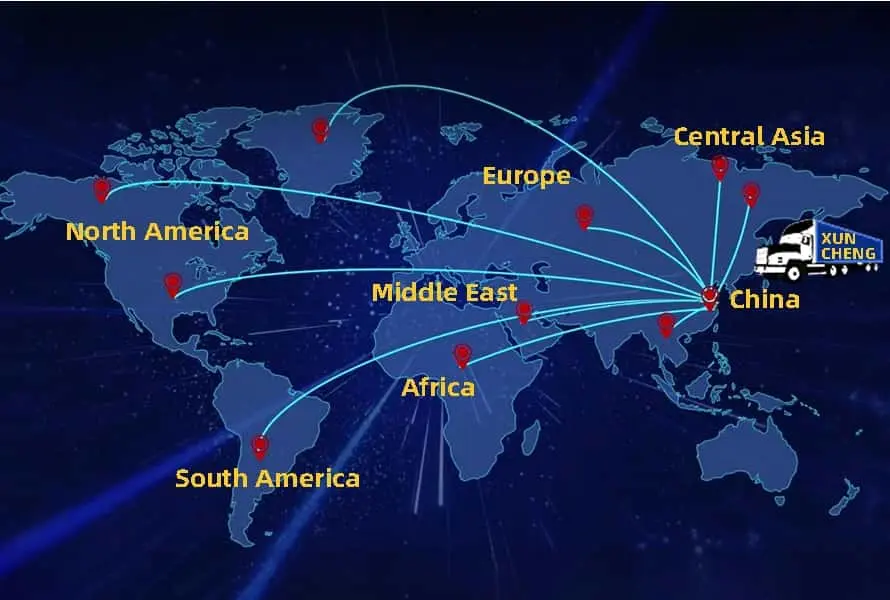
Importing vehicles from China in bulk offers access to a wide range of affordable and technologically advanced options, particularly in the rapidly growing new energy vehicle segment. As of late 2025, China's automobile exports have continued to surge, with over 5.6 million units shipped in the first ten months alone, marking significant year-on-year growth driven by both traditional and electric models. This process involves careful planning for new cars from domestic or joint-venture brands, used vehicles meeting specific age and emissions criteria, and right-hand drive configurations tailored to left-side driving markets.
Begin by clearly defining the types of vehicles required for your market. New cars can be sourced from prominent Chinese brands such as BYD, Chery, Geely, and Great Wall, or from joint-venture producers like those involving international partners. Used cars must align with the importing country's restrictions on manufacturing year and emissions compliance to avoid issues. Right-hand drive vehicles are particularly relevant for regions where traffic flows on the left, including Southeast Asia, South Asia, parts of Africa, the UK, and Australia/New Zealand, with several manufacturers offering dedicated versions or conversion options.
Import regulations vary widely by destination, encompassing duties, value-added taxes, emissions requirements, and distinctions between new, used, left-hand, or right-hand drive models. Thorough verification of the target country's policies is essential prior to any purchase commitment, as non-compliance can lead to denied customs clearance and substantial financial losses.
For bulk orders of new vehicles, direct engagement with automobile manufacturers or their authorized export divisions provides assurance of regulatory adherence and reliable after-sales support, though pricing flexibility may be limited. China's major used car export centers, located in ports like Guangzhou, Tianjin, and Shanghai, facilitate large-scale sourcing through official channels, auctions, or wholesale networks, especially for used or hybrid models.
Trading companies and certified export platforms offer extensive variety across models and brands, making them suitable for diverse needs, but diligent verification is necessary to ensure partners hold valid export qualifications and avoid unreliable operators.
The standard bulk procurement workflow involves signing a framework agreement, paying an initial deposit, preparing vehicles at the factory or sourcing site, conducting inspections and any required modifications, and completing export formalities. Many suppliers provide customization options, including language interfaces, adaptations to meet regional standards (such as those in the EU or US), right-hand drive conversions, emissions tuning, and in some cases, rebadging to align with local branding preferences.
New vehicles typically require a certificate of conformity along with standard commercial documents, while used cars necessitate independent third-party inspections, environmental assessments, and detailed reports. The most popular and economical transportation method for bulk shipments remains roll-on/roll-off (Ro-Ro) shipping, which is efficient for large volumes, with container options preferred for premium or specially protected units. For very large orders, chartering dedicated Ro-Ro vessels can further lower per-unit costs.
At the destination, importers must handle customs procedures, including payment of duties, VAT, and any excise taxes, which fluctuate by country and vehicle type. Post-arrival compliance often involves modifications to emissions systems, lighting, steering configuration, or other features to satisfy local safety and environmental rules. Distribution can occur via established dealer networks or independent wholesale and retail operations.
To minimize risks, prioritize direct relationships with manufacturers or established large-scale exporters over smaller intermediaries. Secure transactions through letters of credit or phased payments. When targeting right-hand drive markets, verify manufacturer capabilities for native production or conversions early, with brands like Chery and certain joint-venture lines often providing strong support.
For new energy vehicles, focus on leaders like BYD and Geely models, while conventional fuel or used options may align better with Chery or similar cost-competitive
 1113, No. 19, Dapingzheng Street, Daping Street, Yuzhong District, Chongqing, China
  sensuaa@outlook.com
 +8619196383097
 English
 한국어
한국어 français
 Español
 русский
 português
 العربية
 tiếng việt
 ไทย
ไทย Suomi
Suomi