For commercial fleets, the right Wuling van depends on the job it needs to perform rather than simply the purchase price. Passenger transport, urban delivery, mobile services, and mixed-use operations place different demands on seating, cargo volume, payload, fuel consumption, and maintenance.
For overseas dealers and fleet buyers looking for a Wuling van for sale, the practical approach is to compare the intended operating conditions with the available model, powertrain, body configuration, and destination-market requirements. A Wuling car for sale should also be evaluated on landed cost and long-term fleet support rather than the vehicle price alone.
Fleet applications can be divided into several common categories.
For passenger-oriented operations, a van with flexible seating and sufficient cabin space is more important than maximum cargo capacity. Shuttle services, employee transportation, and family-oriented commercial use typically require easy passenger access and practical interior configuration.
For urban logistics, the priority changes toward usable cargo space, loading convenience, fuel economy, and maneuverability. A compact van can be more efficient for frequent deliveries in crowded city areas, while a larger body is useful when carrying bulky goods.
Mixed-use fleets need greater flexibility. A vehicle that can accommodate passengers while providing practical rear cargo capacity may reduce the need to operate separate passenger and delivery vehicles.
Before selecting a model, fleet operators should estimate daily mileage, average load, road conditions, passenger requirements, loading frequency, and expected annual utilization. These factors often have a greater impact on operating cost than the initial purchase price.
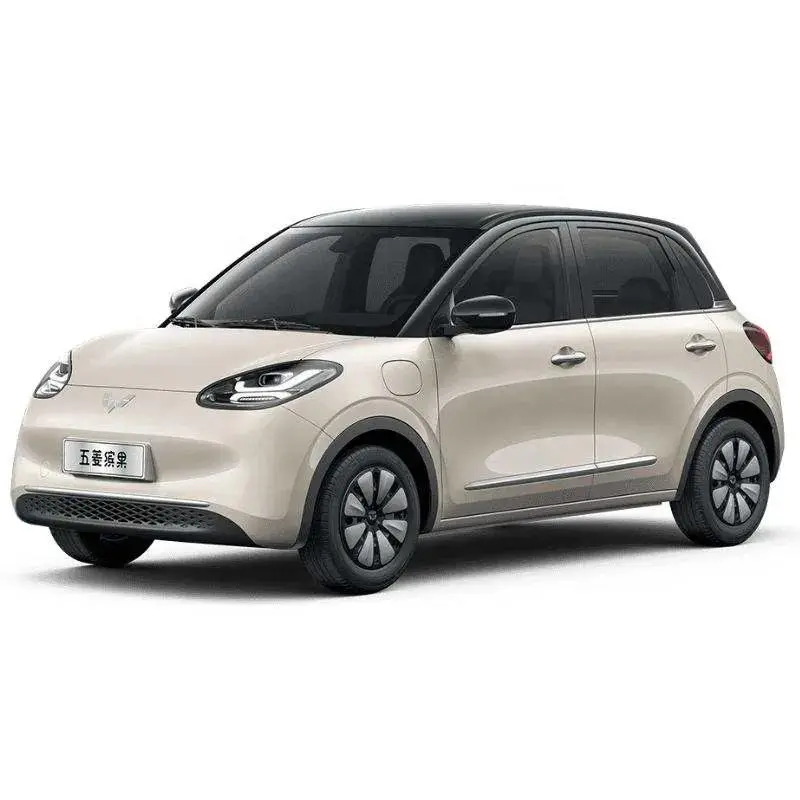
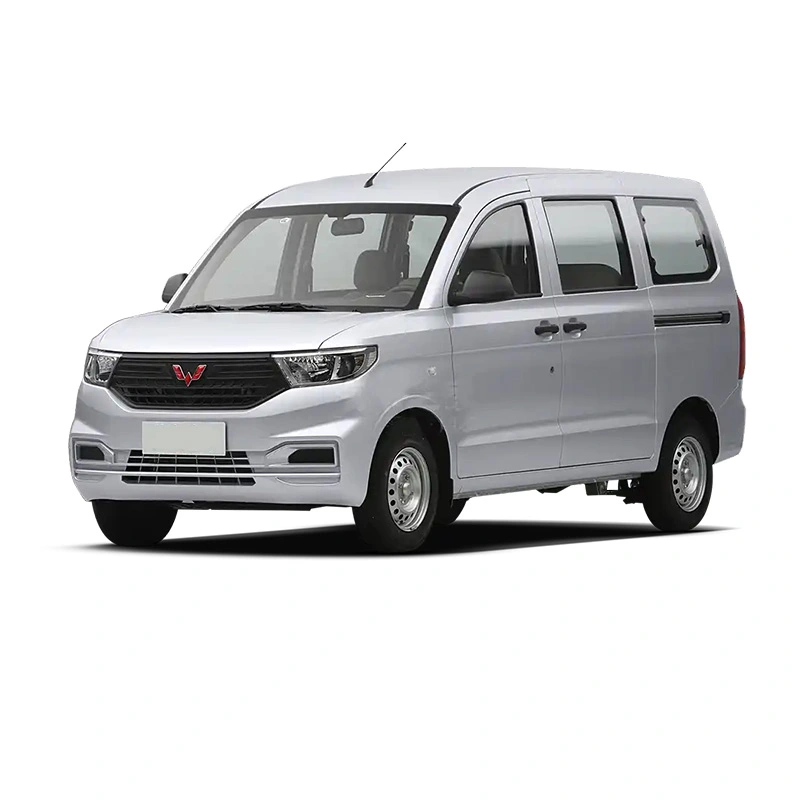
Wuling's commercial van range covers different combinations of passenger capacity, cargo flexibility, body dimensions, and operating requirements.
The Hongguang V is oriented toward practical multi-purpose use. Its compact dimensions can be advantageous for urban routes where maneuverability and operating flexibility are important.
The Hongguang Plus provides a larger platform for operators requiring additional interior space. It can be considered when passenger transport and cargo requirements exceed what a smaller van can comfortably handle.
The Rongguang family has long been associated with practical commercial transportation and light-duty applications. Depending on the specific configuration and market, Rongguang models can serve delivery, passenger transportation, and small-business logistics requirements.
For export buyers, however, model names alone are not enough. Different production years and destination markets can have different engines, dimensions, seating layouts, safety equipment, and emissions specifications. The exact VIN, model year, configuration sheet, and homologation documents should therefore be included in the purchasing process.
Passenger capacity should not be considered separately from payload.
A van carrying eight passengers and luggage has a very different operating requirement from the same vehicle carrying several hundred kilograms of commercial goods. Fleet buyers should calculate the combined weight of passengers, cargo, equipment, and accessories against the manufacturer's permitted limits.
Cargo dimensions are equally important. For delivery fleets, usable floor length, interior height, rear-door opening, and loading height can determine whether packages can be loaded efficiently.
Payload should also be checked against the actual operating environment. Frequent operation at maximum capacity can increase tire, brake, suspension, and drivetrain wear. In markets with poor road conditions or steep terrain, the fleet specification may need additional consideration even when the nominal payload appears sufficient.
For an overseas distributor, these checks should be completed before placing a bulk order. A low-cost configuration that cannot meet the customer's actual operating requirements can create higher warranty, maintenance, and replacement costs later.
Fleet economics extend well beyond the vehicle purchase price.
Fuel consumption is particularly important for high-mileage commercial vehicles. A difference in fuel efficiency that appears small on an individual vehicle can become significant when multiplied across dozens of vans operating every day.
Maintenance planning should cover routine servicing, tires, brakes, suspension components, fluids, and other high-wear items. Export dealers should also determine whether commonly required parts can be supplied consistently to the destination market.
Spare-parts availability is especially important for commercial fleets because vehicle downtime directly affects business operations. Before purchasing a Wuling car for sale in volume, dealers should confirm the availability and lead time of filters, brake components, belts, suspension parts, electrical components, and other service items for the selected configuration.
A fleet RFQ should therefore include both vehicle pricing and an estimated parts-support plan. This provides a more realistic picture of total operating cost.
Export specifications should be confirmed before the vehicle is quoted to an overseas customer.
The key checks include left-hand-drive or right-hand-drive requirements, engine and emissions standards, safety regulations, lighting specifications, radio and connectivity requirements, and local registration rules. Some markets may also require specific certification or pre-shipment inspection.
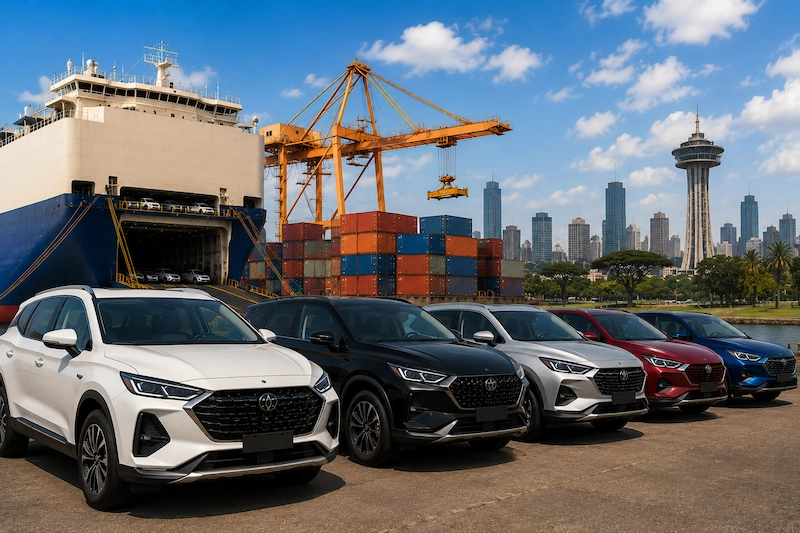
Shipping arrangements should be evaluated together with the vehicle configuration. Depending on order quantity and destination, buyers may compare RoRo, containerized shipping, and other logistics options.
The commercial quotation should clearly state the applicable Incoterm, such as EXW, FOB, or CIF, because these terms determine which costs and responsibilities are included in the quoted price.
For dealers sourcing a Wuling van for sale, a reliable export supplier should be able to provide the vehicle specification, commercial invoice, packing or shipping documentation where applicable, and other documents required for customs clearance and registration.
A professional RFQ should provide enough information for the supplier to quote the correct vehicle rather than a generic model.
The basic specification should include the required Wuling model, model year, engine and transmission, seating arrangement, drive configuration, body color, optional equipment, and target quantity.
The buyer should also specify the destination country and port, preferred shipping method, required delivery schedule, and applicable compliance standards.
For larger fleet orders, it is useful to request separate pricing for the vehicle, optional equipment, spare-parts packages, logistics, and any required export services. This makes supplier quotations easier to compare and helps prevent unexpected costs after the order is confirmed.
For overseas dealers, the RFQ should also clarify whether the vehicles are intended for retail resale, corporate fleets, rental operations, passenger transport, or logistics. The intended application can influence which configuration provides the most commercially useful specification.
Selecting a Wuling van for a commercial fleet requires more than comparing model prices. Fleet buyers need to match the vehicle's passenger capacity, cargo requirements, payload, fuel consumption, maintenance needs, and local operating conditions with the actual business application.
The Hongguang V, Hongguang Plus, and Rongguang can serve different fleet requirements, but the correct choice ultimately depends on the exact configuration and destination market.
For overseas dealers searching for a Wuling van for sale or a Wuling car for sale, a complete export quotation should therefore cover vehicle specification, quantity, Incoterm, shipping destination, compliance requirements, and after-sales parts support. This approach makes procurement decisions more predictable and creates a stronger foundation for long-term fleet sales.
The suitable model depends on whether the fleet primarily handles passengers, cargo, or mixed-use transportation.
Wuling vans can be considered for passenger transport, urban delivery, and other light commercial applications, subject to local regulations and configuration.
Check the exact model year, configuration, drive side, emissions standard, certification, shipping terms, and destination-market registration requirements.
Compare the complete landed cost, including vehicle price, shipping, insurance, duties, taxes, certification, and local expenses.
Bulk purchasing can be arranged depending on model availability, export market, quantity, and supplier terms. The final quotation should be based on the exact specification and destination.
 1113, No. 19, Dapingzheng Street, Daping Street, Yuzhong District, Chongqing, China
  sensuaa@outlook.com
 +8619196383097
 English
 한국어
한국어 français
 Español
 русский
 português
 العربية
 tiếng việt
 ไทย
ไทย Suomi
Suomi