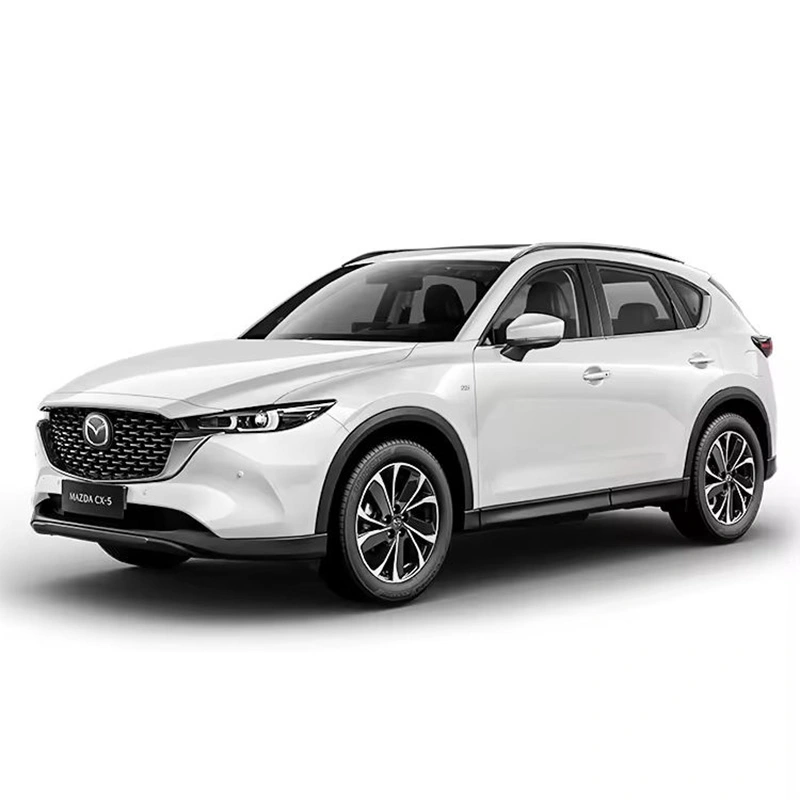
Mazda is generally worth buying if you value fun-to-drive dynamics, upscale design, and strong long-term value more than absolute lowest price or maximum interior space. The brand has a century of history, a clear focus on driving enjoyment, and a reputation for reliability and solid resale value, making it a smart option for many buyers in 2026.
Mazda positions itself as a Japanese brand that blends driving enjoyment, efficiency, and elegant design rather than competing purely on lowest cost. Official materials emphasize human-centric engineering and the “joy of driving,” reflected in their focus on precise handling, intuitive controls, and cohesive interiors.
Instead of chasing volume like some mass-market rivals, Mazda deliberately aims for a more “near-premium” feel at mainstream prices. This positioning is visible in the quality of cabin materials, exterior styling, and the way many reviewers describe Mazdas as feeling more expensive than they are.
Mazda's story began in 1920 in Hiroshima, Japan, when Toyo Cork Kogyo Co., Ltd. was founded as a cork-making factory. The company gradually shifted into machinery and vehicle production, eventually becoming a dedicated automaker and laying the foundation for the modern brand.
The Mazda name first appeared on vehicles in the early 1930s with the Mazda-Go three-wheeler, and in 1934 it was registered as a trademark. The name likely combines the surname of company president Jujiro Matsuda with inspiration from “Ahura Mazda,” a Zoroastrian deity associated with wisdom and light.
In 1984, the company officially changed its corporate name to Mazda Motor Corporation, reflecting the growing global recognition of the Mazda brand. Over the decades it became known for innovations such as the rotary engine and a distinct emphasis on nimble, engaging cars rather than purely utilitarian transportation.
In the 2010s, Mazda repositioned itself with two key pillars: SKYACTIV engineering and Kodo (“Soul of Motion”) design. SKYACTIV refers to a suite of powertrain and chassis technologies focused on efficiency and responsiveness, while Kodo design emphasizes flowing, sculpted bodywork that looks dynamic even at rest.
Today's Mazda lineup—especially models like the Mazda3, CX-30, CX-5, and MX-5 Miata—is widely praised for sharp steering, composed handling, and interiors that feel more upscale than many competitors. Mazda also continues to experiment with electrification and advanced driver-assistance features, aiming to maintain driving engagement while meeting modern efficiency and safety standards.
Enthusiasts and reviewers frequently single out Mazdas for their steering feel and chassis balance, describing them as “sporty,” “nimble,” and “fun to drive.” Community feedback and professional tests often note that even Mazda's crossovers, such as the CX-5 and CX-50, handle with more precision and confidence than many rivals in their segments.
This focus on driving dynamics shows up in controlled body roll, responsive turn-in, and a feeling of connection between driver and car that is less common in ordinary commuter vehicles. Mazda itself highlights agility, feedback, and driver engagement as core attributes in its explanations of what makes a car fun to drive.
To achieve this engaging feel, Mazda typically tunes suspensions a bit firmer than some comfort-first competitors, which yields better control in corners but can feel slightly taut on rough roads. For most buyers, the balance is still comfortable enough for daily commuting and family use, but those seeking the softest, most cushioned ride might prefer other brands.
Interior ergonomics are generally well thought out, with simple controls and driver-focused layouts that make long drives less tiring. However, in some models, rear-seat space and cargo capacity are merely average for the class rather than class-leading, reflecting Mazda's emphasis on design and dynamics over pure volume.
Mazda's non-sports car models typically prioritize smooth, linear power delivery and fuel efficiency rather than headline-grabbing acceleration figures. Base engines in compact cars and crossovers are often adequate rather than thrilling, which suits everyday driving but may feel modest to drivers who expect strong off-the-line punch.
Turbocharged variants available on some models, such as certain CX-5 and CX-50 trims, add noticeably more power and stronger midrange response at a higher price. The MX-5 Miata remains a standout for performance per pound, providing lightweight, rear-wheel-drive fun that many enthusiasts regard as a benchmark for driving enjoyment.
Mazda has developed a strong reputation for reliability, often ranking among the top mainstream brands in long-term dependability studies and owner surveys. Many Mazda vehicles can surpass high mileages with relatively few major issues when properly maintained, contributing to the brand's appeal for cost-conscious buyers.
Resale value is another area where Mazda performs well: analyses of depreciation show Mazda ranking in the top five mainstream brands for retained value in recent years, with an average five-year depreciation rate around 38.3% versus an industry average closer to 47%. This means that, while purchase prices may not always be the lowest, the real cost of ownership over several years can be quite competitive thanks to strong used-market demand.
Overall maintenance and running costs are generally reasonable, especially compared to European brands with more complex drivetrains. Routine service, fuel economy, and insurance costs tend to fall into an affordable range for the average buyer, helping Mazdas deliver good long-term value.
When you buy a Mazda, you are paying for more than just transportation from A to B—you're also buying design, driving enjoyment, and a more refined cabin than many similarly priced competitors. Interior materials often include soft-touch surfaces, tasteful trims, and clean layouts that feel closer to entry-luxury than to budget brands.
Standard and available safety technology, such as advanced driver-assistance systems, is another area where Mazda tends to compete strongly. Combined with attractive exterior styling and strong driving dynamics, these factors position Mazda as a brand that “punches above its weight” in perceived quality and ownership satisfaction.
Mazda is an excellent fit if you:
Enjoy driving and care about steering feel, handling, and overall engagement.
Appreciate stylish design and a more premium-feeling interior but don't want to pay luxury-brand prices.
Plan to keep the car for several years and value reliability plus solid resale value.
Mazda may not be the ideal choice if you:
Prioritize maximum interior space and cargo volume above all else, particularly in SUVs and minivans.
Want the softest possible ride and are not interested in sporty handling characteristics.
Are shopping purely for the lowest possible purchase price with little regard for driving feel or interior ambiance.
Different Mazda models target different types of buyers, but several stand out for value and driving appeal.
Mazda3: A compact car (available as sedan or hatchback) praised for its sharp handling, upscale interior, and efficient powertrains, making it ideal for commuters and small families who enjoy driving.
CX-30: A subcompact crossover that blends city-friendly size with a surprisingly premium cabin and engaging road manners, appealing to urban drivers.
CX-5 / CX-50: Compact SUVs that combine family practicality with class-leading driving dynamics and high-quality interiors, often recommended by reviewers for buyers wanting a “driver's SUV.”
MX-5 Miata: A small roadster famous for its lightweight, rear-wheel-drive layout and pure driving fun, best for enthusiasts rather than families.
In each case, higher trims and available turbo engines add performance and features, but even mid-level versions typically deliver a strong balance of value, comfort, and enjoyment.
No brand is perfect, and Mazda's strengths come with a few compromises potential buyers should understand.
Space: Some Mazda cars and crossovers offer less rear-seat legroom or cargo capacity than the biggest rivals in their segments, which can matter for larger families.
Ride firmness: The sportier suspension tuning that makes Mazdas handle so well can feel firmer over rough roads compared with softer, comfort-tuned competitors.
Power in base trims: Entry-level engines are adequate but not always exciting; drivers seeking very strong acceleration may prefer turbocharged trims or other brands.
These trade-offs are intentional, reflecting Mazda's choice to emphasize engagement and style rather than purely comfort or space.
Are Mazdas reliable?
Yes. Various reliability studies and dealer reports indicate that Mazda ranks near the top of mainstream brands, with many models delivering long service lives when maintained properly.
Do Mazdas hold their value?
Yes. Recent resale data show Mazda in the top tier of mainstream brands for retained value, with significantly lower average depreciation over five years than the industry average.
Are Mazdas expensive to maintain?
Generally, no. Routine maintenance and repair costs tend to be moderate, and ownership costs are often offset further by good fuel economy and resale values.
Is Mazda a luxury brand?
Mazda is not a luxury brand in the traditional sense, but newer models intentionally deliver a more premium experience in terms of design, materials, and driving feel than many direct competitors.
Is Mazda better than Toyota or Honda?
Mazda often leads on driving engagement and interior ambiance, while Toyota and Honda may offer advantages in model variety, brand recognition, or specific metrics like fuel economy and space. The better choice depends on whether you prioritize driving feel and design or maximum practicality.
 1113, No. 19, Dapingzheng Street, Daping Street, Yuzhong District, Chongqing, China
  sensuaa@outlook.com
 +8619196383097
 English
 한국어
한국어 français
 Español
 русский
 português
 العربية
 tiếng việt
 ไทย
ไทย Suomi
Suomi