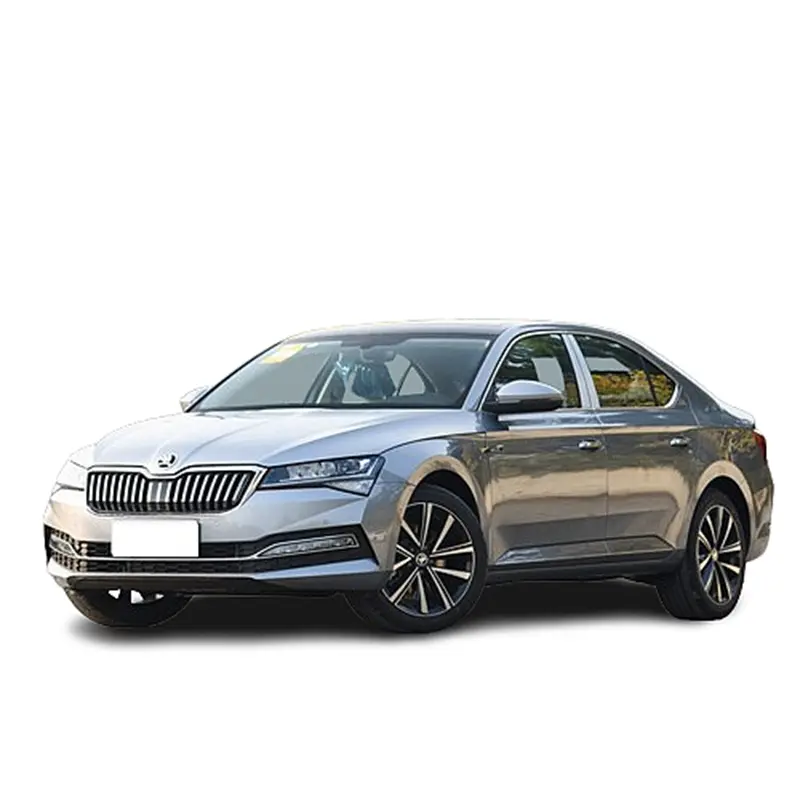
Bringing a Skoda vehicle from China into another country requires identifying a reliable supplier, organizing transportation and insurance, managing extensive paperwork such as permits and certificates, covering import duties and taxes, and most importantly, confirming that the car complies with the importing country's safety, emissions, and registration requirements. These compliance steps frequently involve substantial modifications and the involvement of specialized professionals. Given the complex regulations and potential expenses, partnering with an experienced logistics provider is highly recommended to navigate the process effectively.
The importation process begins with sourcing a trustworthy Chinese exporter or manufacturer affiliated with Skoda's production, often through joint ventures like SAIC-Volkswagen. Next, thoroughly research the destination country's import regulations, including any restrictions on new or used vehicles, vehicle age, drive configuration, and emissions compliance, such as alignment with European standards in the EU. Securing required import permits and pre-export approvals from Chinese authorities is essential, followed by arranging a pre-shipment inspection to gather critical documents like the commercial invoice, bill of lading, and certificate of origin.
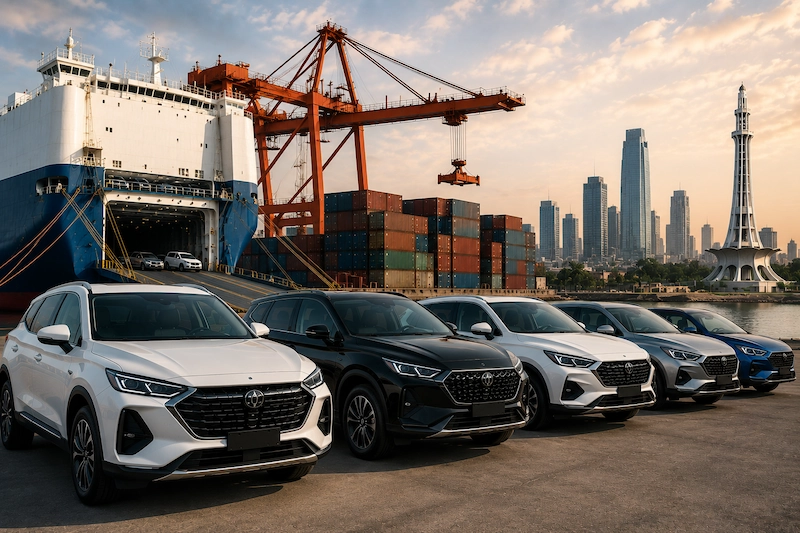
Logistics arrangements involve selecting an appropriate shipping method, such as roll-on/roll-off or container transport, along with comprehensive insurance and a reputable freight forwarder. Upon arrival, customs clearance demands presenting all documentation, settling duties and value-added taxes, and ensuring smooth processing. Finally, achieving full compliance for local safety and emissions standards—potentially the most challenging phase—may require modifications before the vehicle can be registered and legally driven.
Importers should anticipate considerable expenses throughout the process, including shipping fees, insurance premiums, import duties, taxes, and potentially significant costs for adaptations to meet local standards. Regulatory compliance poses a major challenge, as vehicles may need adjustments to safety features, emissions systems, or other components like lighting and mirrors to satisfy destination requirements. In certain markets, such as the United States, engaging a certified registered importer is mandatory to handle federal safety and environmental certifications.
For electric or hybrid Skoda models, differences in charging infrastructure—such as China's GB/T standard versus the CCS system common in Europe and North America—often necessitate adapters or port modifications, adding to the overall investment. These factors combined can make the process demanding, emphasizing the value of professional guidance to manage risks and ensure a successful outcome.
 1113, No. 19, Dapingzheng Street, Daping Street, Yuzhong District, Chongqing, China
  sensuaa@outlook.com
 +8619196383097
 English
 한국어
한국어 français
 Español
 русский
 português
 العربية
 tiếng việt
 ไทย
ไทย Suomi
Suomi