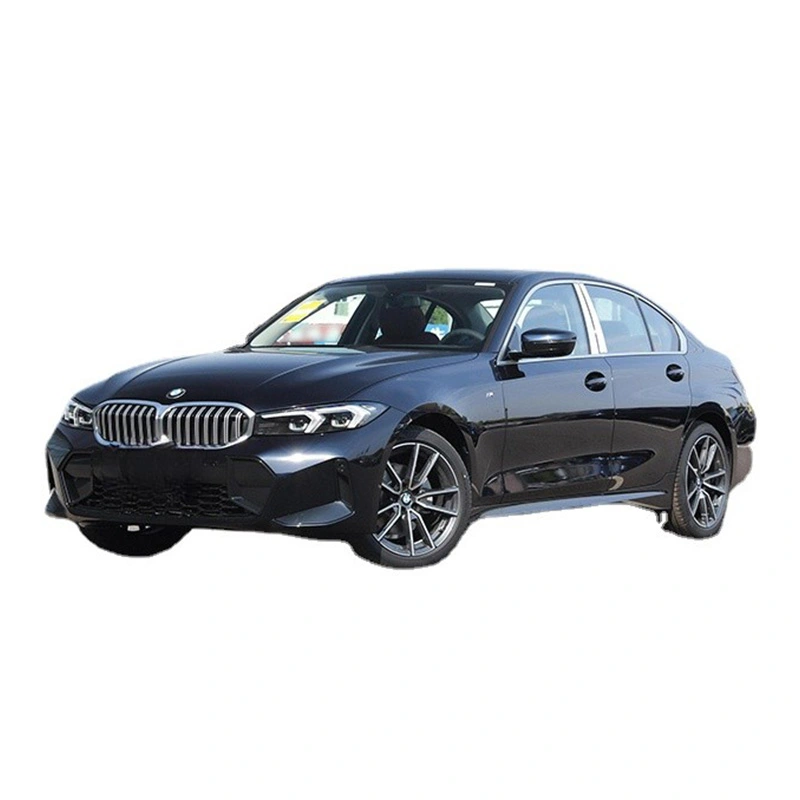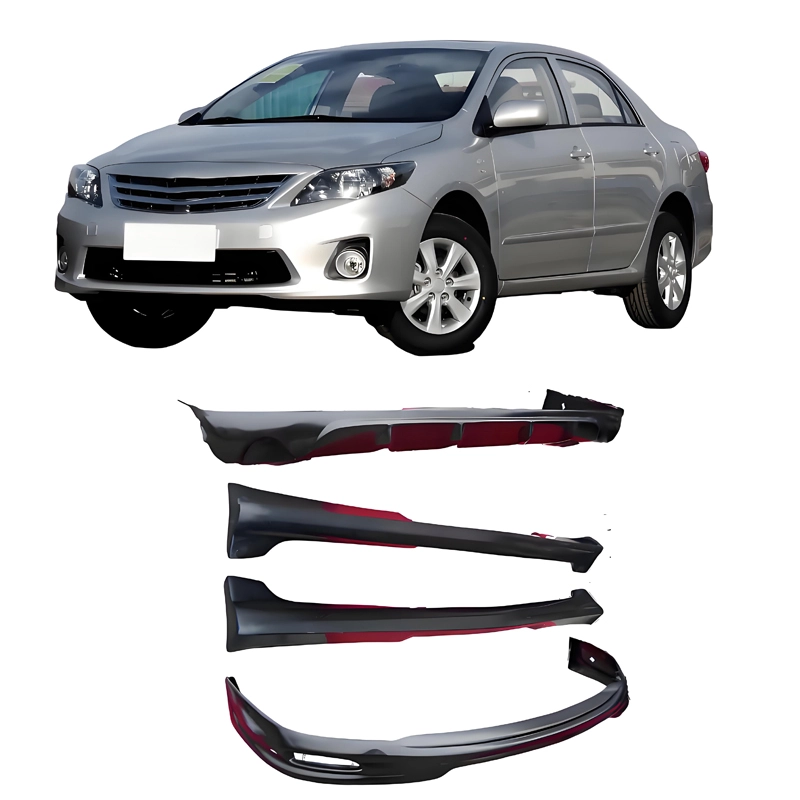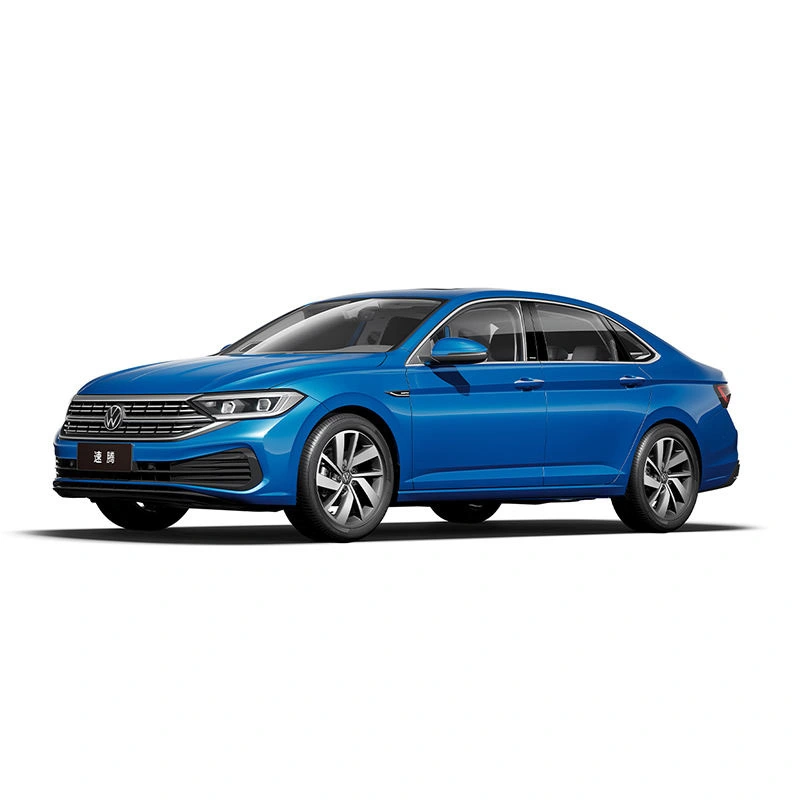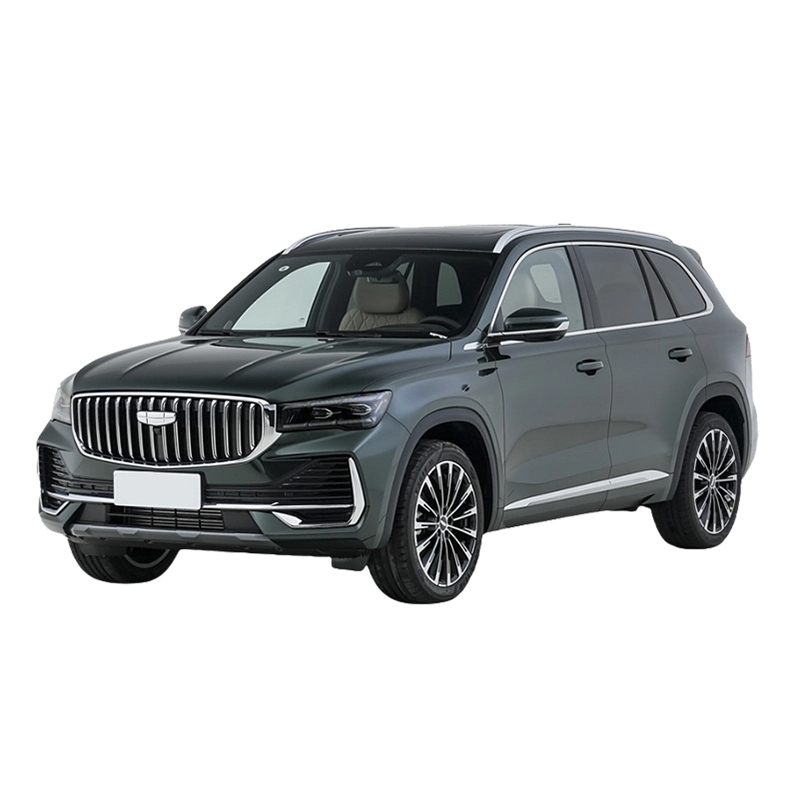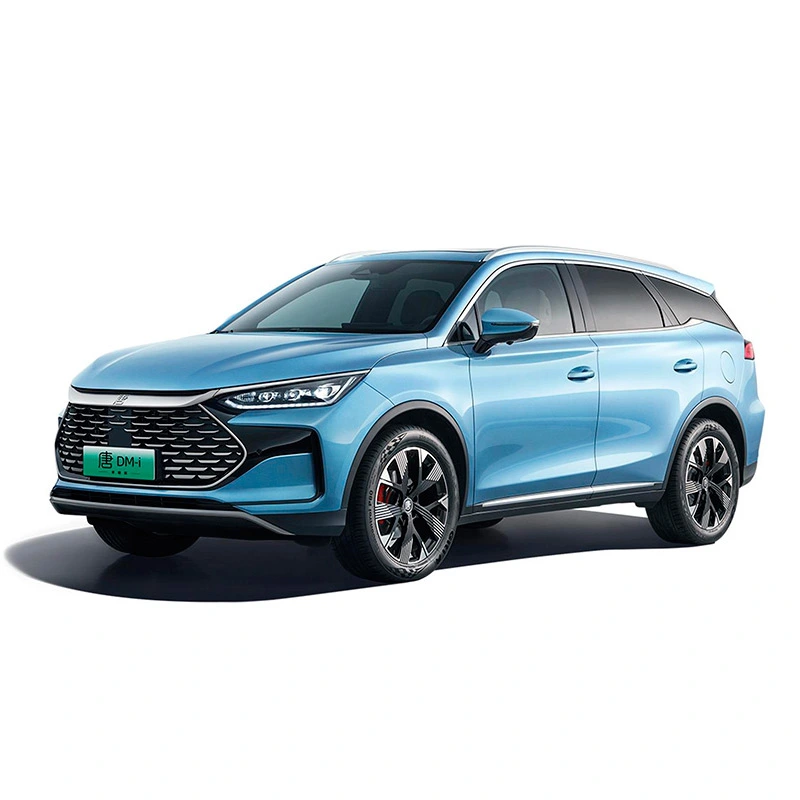
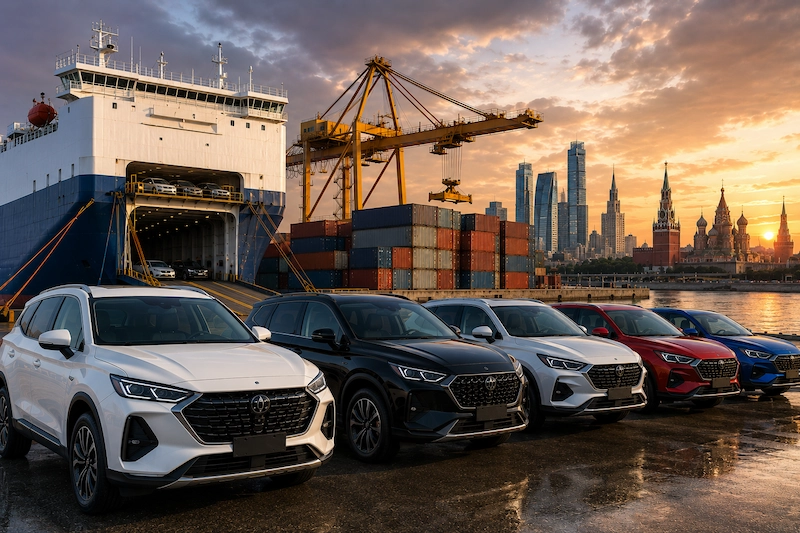
Russia has become one of the largest overseas markets for Chinese vehicles. As demand for alternative automotive supply channels continues to grow, Chinese automakers have significantly expanded their presence across Russia, offering a wide range of passenger cars, SUVs, pickup trucks, commercial vehicles, hybrids, and electric vehicles.
For dealerships, fleet operators, auto traders, and private buyers, importing cars from China to Russia can provide access to competitive pricing, faster availability, modern vehicle technologies, and a broader selection of models than many traditional sourcing channels.
Chinese automotive manufacturers have rapidly improved vehicle quality, safety standards, and technological innovation over the past decade. Today, many Chinese brands compete directly with established global manufacturers in terms of performance, comfort, and reliability.
Key advantages include:
Competitive vehicle pricing
Wide selection of SUVs and crossovers
Advanced driver-assistance systems
Strong electric vehicle technology
Modern infotainment systems
Faster supply availability for many models
Growing spare parts support networks
For many Russian buyers, Chinese vehicles now offer one of the best combinations of value, technology, and availability.
| Brand | Popular Models | Vehicle Category |
|---|---|---|
| Chery | Tiggo 7 Pro, Tiggo 8 Pro | SUV |
| Haval | Jolion, H6, Dargo | SUV |
| Geely | Coolray, Monjaro, Atlas | SUV & Sedan |
| Jetour | T2, X70 Plus | SUV |
| BYD | Seal, Song Plus | EV & Hybrid |
| GAC | GS8, EMKOO | SUV |
| Hongqi | H5, H9, HS5 | Premium Segment |
Russian consumers typically prioritize durability, winter performance, cargo capacity, and long-distance driving comfort.
The strongest-performing categories include:
Compact SUVs
Mid-size SUVs
7-seat family SUVs
Pickup trucks
Commercial vans
Hybrid vehicles
SUVs remain the dominant segment due to road conditions and climate considerations in many regions.
Yes. Depending on current regulations and customs requirements, Russian importers may source both new and used vehicles from China.
Popular sourcing categories include:
Brand-new vehicles
Dealer inventory vehicles
Nearly new vehicles
Electric vehicles
Commercial vehicles
Importers should always verify the latest customs requirements, certification procedures, and registration regulations before purchasing.
Select the vehicle model, specifications, quantity, and export configuration.
The buyer and exporter finalize vehicle specifications, pricing, and delivery terms.
Professional exporters typically conduct pre-shipment inspections to verify vehicle condition.
Required export documents generally include:
Commercial Invoice
Packing List
Certificate of Origin
Export Declaration
Bill of Lading
The vehicle is transported from China to Russia through sea, rail, or land transport routes.
The vehicle completes import procedures before local registration.
| Method | Advantages | Best For |
|---|---|---|
| Rail Transport | Fast & Cost Effective | Central Russia |
| Truck Transport | Flexible Delivery | Border Regions |
| Container Shipping | High Protection | Premium Vehicles |
| RoRo Shipping | Economical | Large Volume Orders |
The optimal logistics solution depends on destination, vehicle quantity, budget, and delivery timeline.
Total import costs generally include:
Vehicle purchase price
Domestic transportation in China
Export documentation
International freight
Insurance
Customs duties
Certification fees
Port or terminal charges
Registration expenses
Professional importers focus on total landed cost rather than vehicle price alone when evaluating sourcing opportunities.
Many export-oriented Chinese vehicles now include features specifically designed for cold-weather markets.
Common winter-oriented features include:
Heated seats
Heated steering wheels
Remote engine start
Enhanced battery management systems
Winter driving modes
Improved cabin insulation
Importers should verify whether the selected configuration includes winter packages suitable for Russian conditions.
Although EV adoption remains lower than in some other regions, demand for electric vehicles is steadily increasing.
Popular Chinese EV exports include:
BYD Seal
BYD Dolphin
Zeekr 001
Zeekr X
NIO Models
Aion Series
Before importing EVs, buyers should assess:
Charging infrastructure availability
Battery warranty support
Parts supply chain
Software update accessibility
Service network coverage
| Business Type | Recommended Vehicle Category |
|---|---|
| Dealerships | Compact & Mid-Size SUVs |
| Rental Companies | Crossovers & Family SUVs |
| Corporate Fleets | Sedans & Hybrid Vehicles |
| Construction Companies | Pickup Trucks |
| Premium Segment | Luxury Sedans & EVs |
Long-term operating costs, maintenance, and spare parts availability should be considered.
Import regulations and certification requirements should be verified before shipment.
Vehicle exports require specialized logistics and documentation expertise.
Always confirm engine type, drivetrain configuration, trim level, and optional equipment.
A professional exporter should offer:
Multi-brand sourcing capabilities
Vehicle inspection services
Export documentation support
International logistics coordination
After-sales assistance
Flexible procurement solutions
Commercial fleet sourcing experience
Experienced exporters help reduce purchasing risks while improving supply chain reliability.
Yes. Chinese EV exports to Russia continue to increase as technology improves and model availability expands.
Haval, Chery, Geely, Jetour, BYD, GAC, and Hongqi are among the leading Chinese brands in the market.
Rail transport is often one of the most efficient solutions for many destinations within Russia.
Many dealerships benefit from greater vehicle selection, competitive pricing, and direct sourcing opportunities.
Russia has become one of the most strategically important markets for Chinese automotive exports. Strong consumer demand, expanding brand recognition, and increasing acceptance of Chinese technology create significant opportunities for dealers, fleet operators, distributors, and private buyers. By understanding import regulations, selecting suitable vehicle categories, and working with a professional export partner, Russian importers can build a reliable supply chain while accessing some of the most competitive vehicles available in the global automotive industry.
 1113, No. 19, Dapingzheng Street, Daping Street, Yuzhong District, Chongqing, China
  sensuaa@outlook.com
 +8619196383097
 English
 한국어
한국어 français
 Español
 русский
 português
 العربية
 tiếng việt
 ไทย
ไทย Suomi
Suomi